
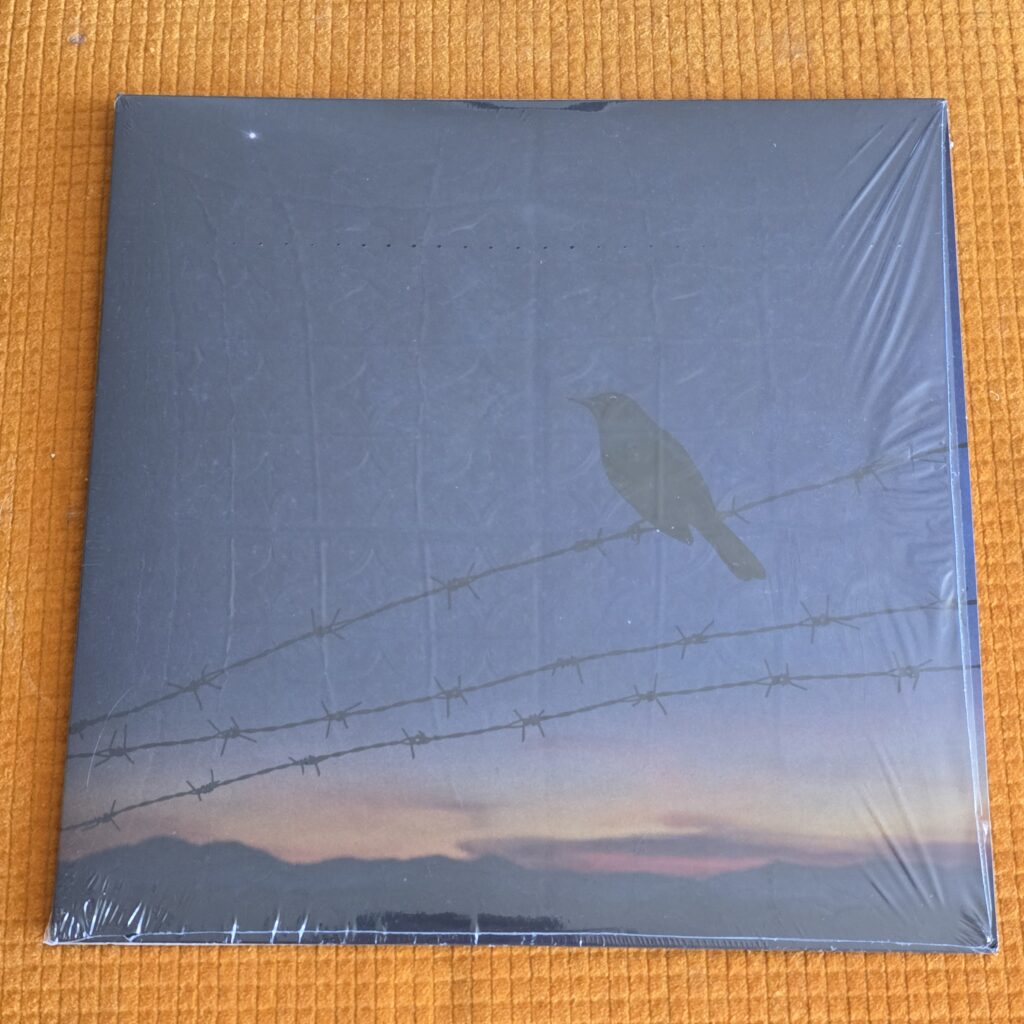
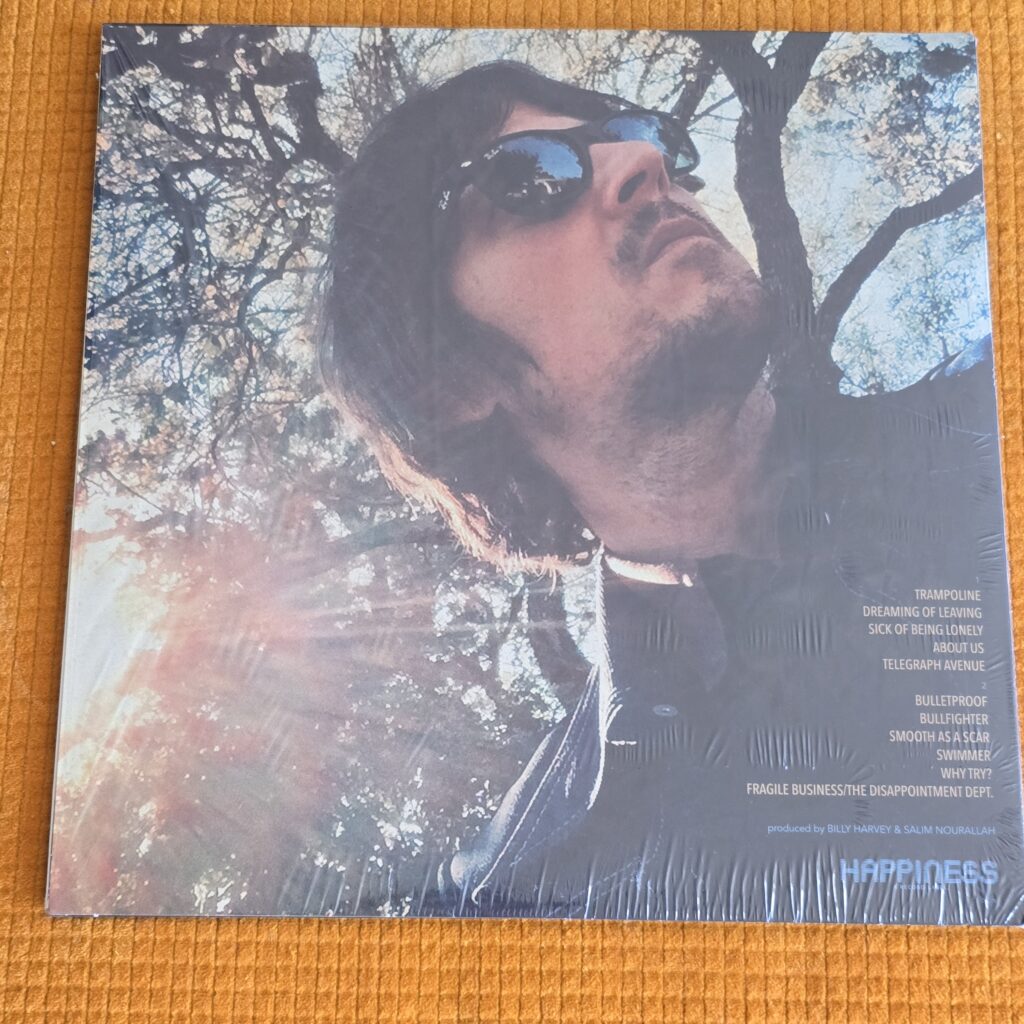
Dallas singer-songwriter Salim Nourallah’s tenth solo album, Close as a Star feels like a pivotal entry in his catalog. In this album review, I explore how it connects thematically to Somewhere South of Sane and A Nuclear Winter, tracing a movement from naïveté to resignation — heartbreak delivered with brightness, and devastation wrapped in melody.
It would be very interesting to know where these songs fit in relation to Somewhere South of Sane and A Nuclear Winter. Taken together, the three albums feel like puzzle pieces to the greater picture of a love dissolving. Nothing is ever that simple, of course — but Close as a Star feels closer to the beginning than the end.

“Puzzle pieces…of a love dissolving…”
Listening through Close as a Star, two words kept surfacing: Naïveté / Resignation — or at least the last vestiges thereof.
Side One
Side 1: Naivete
“Trampoline”

At first, “Trampoline” didn’t grab me. It took several passes to appreciate the refrain: “When I see myself outside of myself.” There’s the beauty. Now it carries hints of missed opportunity, couched in another “beautiful day” descriptor song — reminiscent in spirit of “Santorini” (from one of Nourallah’s other incarnations, The Disappearing Act.) Bright surface, deeper ache.
“Dreaming of Leaving”

“Dreaming of Leaving” sounds very Somewhere South of Sane-era. The refrain — “Dreaming of leaving / Guess I’ve stopped believing” — benefits from repetition that lands harder each time. It’s sneaky: upbeat, optimistic even, while the subject matter is anything but. When you’re thinking of leaving your lover — or your life — you expect minor keys. Instead, there’s lift. There’s hope. That tension works.
“Sick of Being Lonely”

The drums. Another heartbreaker hidden inside faster BPMs. There’s a huge nod here to a recurring theme in Salim Nourallah’s catalog — breaking hearts while making them dance. “Sad bastard” music wearing blue suede shoes.

“Sad Bastard” music wearing blue suede shoes
“About Us”
“About Us” feels like a single. Catchy, drum-forward, guitar-driven. If one insists on building a linear narrative, this could serve as an opening chapter — but it doesn’t need to. The average listener will take what makes their toes tap; if it also makes them think, that’s a bonus.
“Telegraph Avenue”

“Telegraph Avenue” remains luminous. “Stop trying to please a god you can’t see” belongs in the display cabinet of brilliant lyrics, right next to “cook, clean and breed.” It’s sharp, declarative, quietly devastating — the kind of line that anchors an album.

If Side 1 represents naïveté, it’s the moment just before the illusion fractures — the last breath before clarity.
Side Two
Side 2: Resignation
“Bullet Proof”
“Bullet Proof” is the gold standard on Close as a Star. Chorus: winner. Guitar riff: winner. Drums: absolute winner. It carries the confidence and immediacy of a centerpiece — the kind of track that defines a record’s emotional core.
“Bullfighter”

Another slow-burner that reveals itself over time. “Make your way back, make your way back, make your way back” is pure earworm. It lingers long after the first listen.
“Smooth as a Scar”
“Smooth as a Scar” carries something familiar in its bones — straight, smooth ’70s energy. That keyboard/guitar combination, that easy love is kinda crazy vibe… It’s sleek, self-aware, a little haunted by its own groove.
“Swimmer”
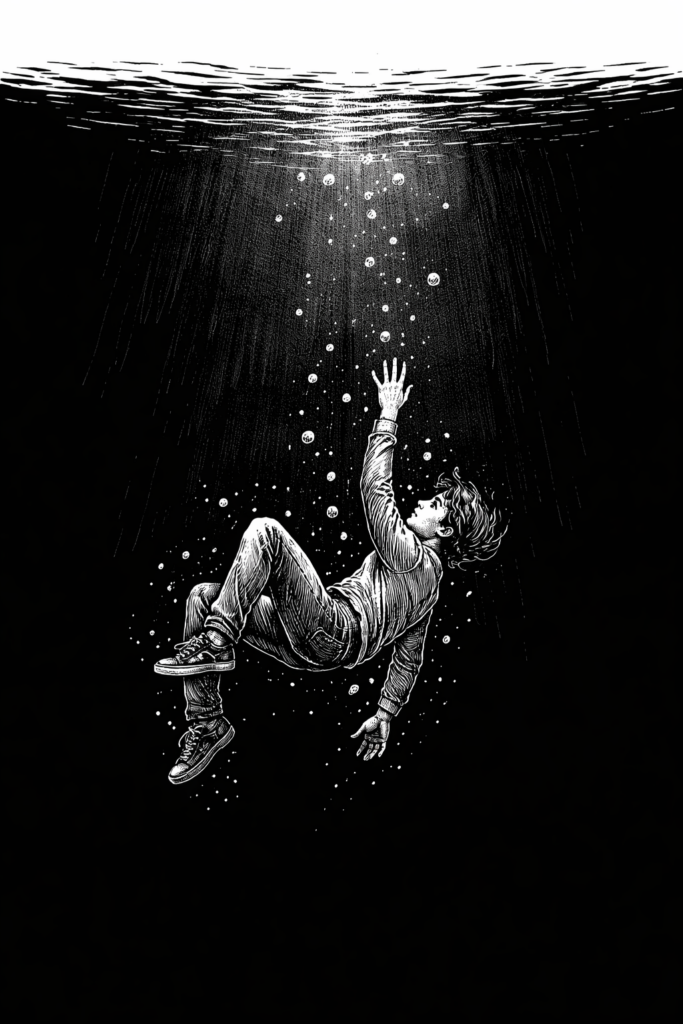
“Swimmer” is tied for my overall favorite. Deep, visceral imagery. This is resignation fully realized — lost, enveloped, quiet, and dangerous. There’s a point when diving where pressure and gravity equalize, where you stop fighting and let go. Fall. Sink. It’s beautiful and devastating. Like “Avalanche” on Nuclear Winter, this may be the gem that risks going unnoticed.
“Why Try”

“Why Try” feels like a milestone. One of the most personal moments on Close as a Star, and paradoxically, one with strong single potential. There’s compassion here. Growth. A shift in perspective that marks change.
The rhythm section shines again — excellent drums and bass driving the listener forward. “Everything was fine… at first.” Who can’t identify with that? It’s heart-rending perfection. The guitar tones lean into everything wonderful about the ’80s — textured, slightly psychedelic, emotionally precise.
“Fragile Business”

“Fragile Business” winds the record down with a heartbeat kick drum and a two-sided vocal presence — dark and light at war. That flute-like line (real or imagined) adds an atmospheric quality that feels both delicate and unsettled. It’s a closing exhale after emotional excavation.
Taken as a whole, Close as a Star feels like the hinge between belief and acceptance. On this album, Salim Nourallah turns resignation into something strangely danceable.
Like much of Salim Nourallah’s indie rock catalog, Close as a Star pairs guitar-driven brightness with emotionally precise songwriting. Hearts break. Feet tap. The drums insist on forward motion even when the lyrics suggest surrender.
That tension is the magic trick.
And perhaps that’s the greater picture these songs illuminate — not simply a love dissolving, but the strange, beautiful choreography of how it happens.
There’s something quietly astonishing about realizing that Close as a Star is already Salim Nourallah’s second solo album of 2026. Not surprising—just astonishing. Salim has long since outgrown the usual rhythms of release and retreat. He creates the way some people breathe: continuously, instinctively, generously. And if this year has taught us anything, it’s that there’s still more coming. In that context, Close as a Star doesn’t feel like a standalone moment so much as part of a larger constellation—one that continues to expand, quietly and brilliantly, in real time.


Other Articles
What’s in a Name? Everything.